Type Beat Licensing Explained
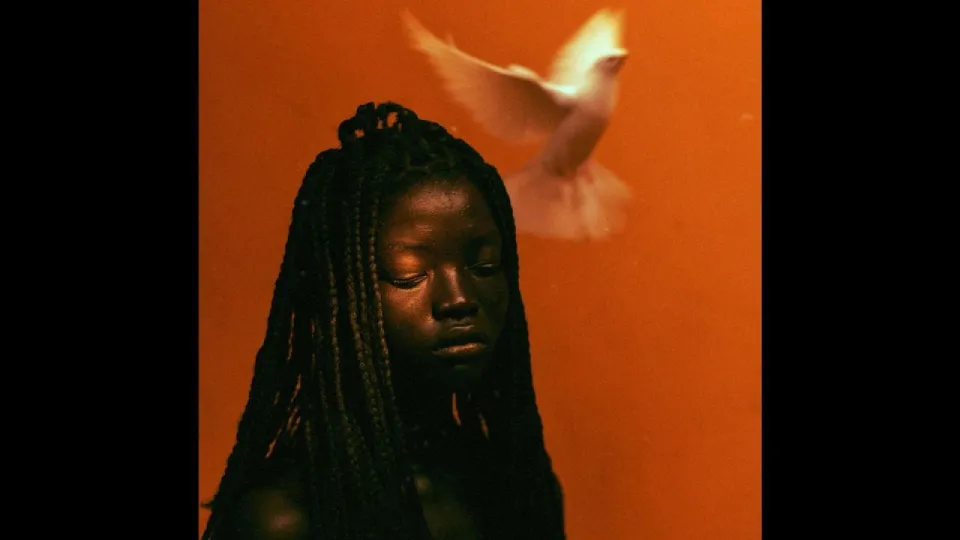
Video: 'FREE' R&B Afrobeat x Tems Type Beat ~ Peace Of Mind
You can order the same kind of articles for your own video to boost it on YouTube and Google. Just message the Telegram bot @sat_sit_bot. It writes articles around your video, embeds the video and publishes them on popular niche websites (no ads). Your first 50 articles are free.
A type beat is an original instrumental built in the signature style of a known artist, and in this case the reference is Tems' blend of Afro R&B, Afroswing and dancehall-tinged afrobeats. The 'Peace Of Mind' instrumental from producer Elevated, released on the E+F channel, is free for non-profit use only, and any for-profit release requires a purchased lease available at the BeatStars lease page for Peace Of Mind. For most emerging artists, a free download for writing and a paid lease before release is the better route than chasing an exclusive.
What a type beat actually is and why Tems is the reference
A type beat is not a sample or a copy of an existing song; it is a new composition that borrows a genre's tempo, drum palette and chord mood so a vocalist can hear how their voice sits in that lane. The Tems type beat tag signals a specific cluster of choices: unhurried afrobeats percussion, warm sub bass, sparse guitar or synth stabs, and a lot of empty space for a breathy, mid-range vocal. Producers tag these instrumentals with terms like afro R&B type beat, afroswing type beat or R&B dancehall type beat because those searches describe the same sonic neighborhood.
The practical value of searching by artist name is speed. Instead of describing "slow afrobeats with R&B chords and a Nigerian alté feel," you type the artist and get instrumentals already aimed at that pocket. The trade-off is that hundreds of producers work the same reference, so the differentiator is rarely the tag and almost always the mix, the drum swing and whether the beat leaves room for a melody.
Free download or paid lease: what each option gives you
The choice is not about quality; it is about what you are allowed to do with the file. The E+F release states the terms plainly: free for non-profit only, and for profit you must purchase a lease. That single line decides which option fits your release plan.
- Free download — use it for writing sessions, demos, freestyles, SoundCloud sketches, non-monetized YouTube uploads and live practice. No money changes hands and no royalties are owed.
- Paid lease — required the moment your track earns money: Spotify and Apple Music distribution, YouTube monetization, paid performances, sync or brand use. The lease is bought through BeatStars at https://bsta.rs/VH7TfW.
- Exclusive rights — a separate, usually far more expensive deal that removes the beat from the public catalog. Free and standard lease type beats do not include this by default.
If you are still deciding whether a song is worth releasing, the free file is the better option because it costs nothing and lets you test the arrangement. If the song is going on streaming services, the lease is better because it converts an informal demo into a licensable master.
How to write over a Tems-style Afro R&B instrumental
The beat dictates the flow more than the genre name does. 'Peace Of Mind' sits in the calm, spacious end of the spectrum, which is exactly what listeners described in the comments on the upload — the calmness and the sense of the beat finding the right artist. That calm is a writing constraint: crowded triplets and rapid syllable packing will fight the groove.
- Start with the hook, not the verse. Hum a four-bar melody over the loop and keep the phrasing behind the beat by a fraction.
- Leave the first two bars of each section nearly empty; the percussion needs room to establish the pocket before the vocal enters.
- Write in a comfortable mid register. Tems-style delivery relies on tone and restraint rather than belting.
- Stack harmonies on the last line of each verse, not throughout, so the texture opens up rather than thickens.
- Record a scratch vocal to the free file, then re-record or re-license once you commit to release.
Typical questions producers and vocalists ask about free type beats
The recurring doubts around free downloads are almost always about permission, credit and repetition, and each has a concrete answer. Permission depends on the license text, not on the word "free" in the title. Credit is usually required in the title or description even when no money is involved. Repetition is normal: a leased beat can appear on multiple artists' songs, which is why exclusivity costs more.
Another common worry is whether a free beat sounds worse than a paid one. In practice the audio file is often identical; what differs is the paperwork. Producers give away the same mix for non-profit use because exposure is worth more to them than a small fee, and they monetize through leases and exclusives later. The one thing to check before uploading anywhere is whether the free tier permits monetization at all — here it explicitly does not.
Where to find the beat, the producer and the license
The official links are the fastest way to confirm terms, because third-party reposts may strip the license language. The producer, Elevated, sells leases through BeatStars and keeps a public catalog and contact details for custom work.
- Lease and purchase page: https://bsta.rs/VH7TfW
- Producer catalog: https://elevatedandfriends.com
- Instagram: https://www.instagram.com/beatsbyelevated
- Email for custom beats and licensing questions: elevatedandfriends@gmail.com
If you plan to pitch the song to a label, playlist curator or sync agency, ask for written confirmation of the lease terms before delivery. A screenshot of the BeatStars receipt plus the license PDF is usually enough.
Common mistakes that void a free type beat license
The most expensive mistake is releasing a song commercially on a free file and only licensing it after it starts earning. Royalty collection and distribution reviews can flag an unlicensed beat, and retroactive leases are messier than buying upfront. The second mistake is assuming that crediting the producer replaces a lease; credit is a condition of use, not a substitute for payment.
A third mistake is uploading to Content ID or registering the composition as entirely your own. The instrumental's publishing belongs to the producer, and claiming it can trigger a copyright claim against your own release. Finally, keep the beat tag situation in mind: some free files carry a producer tag in the mix, and removing it without permission breaches the terms. Check the downloaded file before you build a release around it.
Summary
A free type beat is a writing tool, and a lease is a release tool; the 'Peace Of Mind' Afro R&B instrumental from E+F makes that split explicit with a non-profit-only free tier and a paid lease for anything commercial. For most independent artists the sensible sequence is to write and demo on the free file, then buy the lease at https://bsta.rs/VH7TfW the moment the song is worth distributing. The E+F channel and producer Elevated are the source for the beat itself, the license terms and any custom work, so confirm details there rather than on reposts. Treat the license as part of the production budget, not an afterthought, and the release stays clean.
Key takeaways
- A type beat is an original instrumental written in the style of a known artist, here Tems' Afro R&B and Afroswing sound.
- 'Peace Of Mind' by producer Elevated (channel E+F) is free for non-profit use only; any for-profit release requires a purchased lease.
- The lease is sold through BeatStars at https://bsta.rs/VH7TfW, and the producer can be reached at elevatedandfriends@gmail.com.
- Free downloads suit practice, demos, freestyles and non-monetized uploads; leases cover Spotify, YouTube monetization and paid shows.
- Exclusive rights are not offered by default on free or standard lease type beats, so the same instrumental can appear on other artists' songs.
Questions & answers
Can I upload a song on a free type beat to Spotify?
No. The 'Peace Of Mind' beat from E+F is free for non-profit use only, and distribution to Spotify, Apple Music or any monetized platform counts as for-profit. You need to purchase a lease through the BeatStars link before releasing it commercially.
Do I have to credit the producer when using a free beat?
Credit is standard practice and is usually a condition of the license even when no payment is made. Put the producer's name in the track title or description, and keep the license text saved alongside your project files in case a platform asks for proof.
Why do other artists sometimes use the same type beat as me?
A lease is non-exclusive, so the same instrumental can be licensed to many artists. Only an exclusive purchase removes the beat from the public catalog, which is why exclusives cost significantly more than a standard lease.
Is a Tems type beat the same as an afroswing or R&B dancehall beat?
The tags overlap because they describe similar tempos, percussion and R&B-leaning chords. A Tems type beat usually points to slower, more spacious Afro R&B, while afroswing leans toward UK-influenced rhythms, but producers often use the labels interchangeably to reach more searches.
Source: 'FREE' R&B Afrobeat x Tems Type Beat ~ Peace Of Mind · Markdown version